
Personalized Programming
The hearing aid is programmed according to your hearing test results and listening needs.
Hearing aid trial and fitting helps you experience the selected device, understand its features, and receive professional adjustments based on your individual hearing levels and daily listening needs.
A hearing aid works best when it is programmed, fitted, adjusted, and explained correctly. Our process helps you understand the device before you start depending on it in everyday life.
A trial helps you understand whether the selected hearing aid is suitable for your hearing loss, comfort, environment, and daily communication needs.
The hearing aid is programmed according to your hearing test results and listening needs.
You can understand how speech, TV, music, and outside sounds feel through the selected device.
The fit, loudness, clarity, and physical comfort are checked before finalizing the device.
Bluetooth, noise reduction, rechargeable options, tinnitus masking, and other features are explained where available.
The trial and fitting process is designed to make the device comfortable, useful, and practical for your daily listening situations.
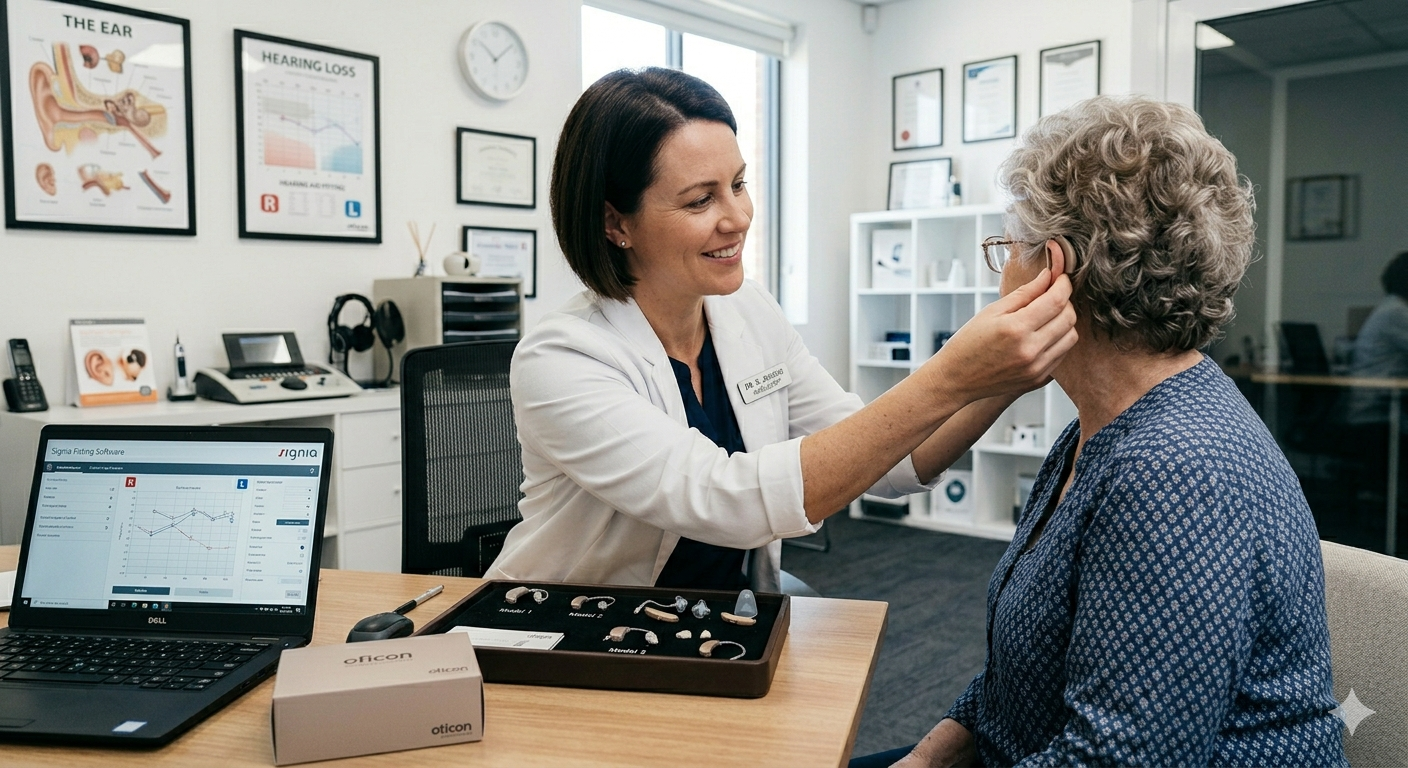
Once the device is selected after considering your hearing levels, lifestyle, comfort, budget, and listening needs, a hearing aid trial is given by calibrating, programming, and syncing the device to your individual hearing profile.
The purpose of the trial is to help you experience how the selected hearing aid performs in different listening situations before moving ahead with long-term use.
Note: The trial experience depends on the hearing aid model, technology level, and features selected for you.
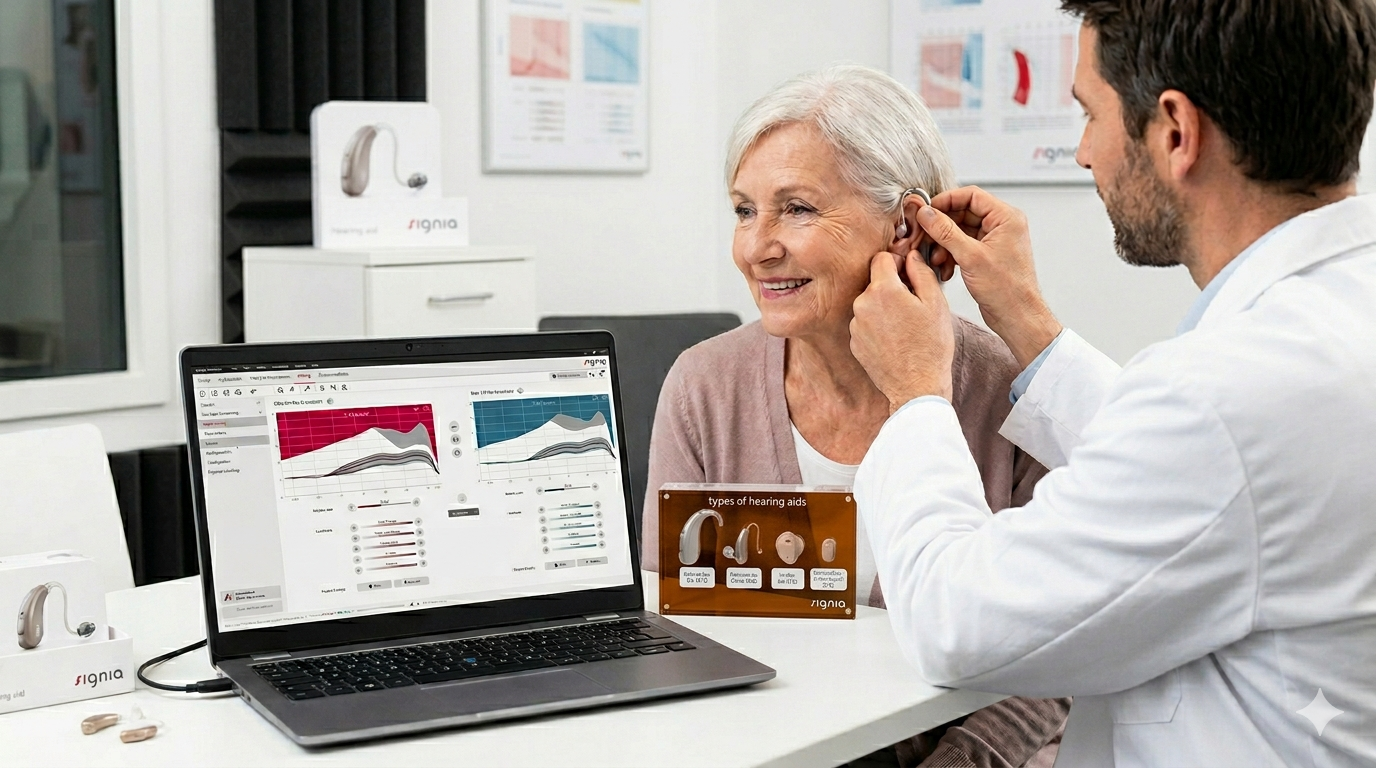
We support you with proper hearing aid fitting, adjustments, and practical troubleshooting so you can use your device comfortably and confidently in everyday life.
Fitting is not just placing the device in the ear. It includes fine tuning, comfort checks, sound quality adjustments, usage guidance, and follow-up support based on your real-world listening experience.
The suitable style depends on hearing loss level, ear condition, handling comfort, visibility preference, technology needs, and professional recommendation.
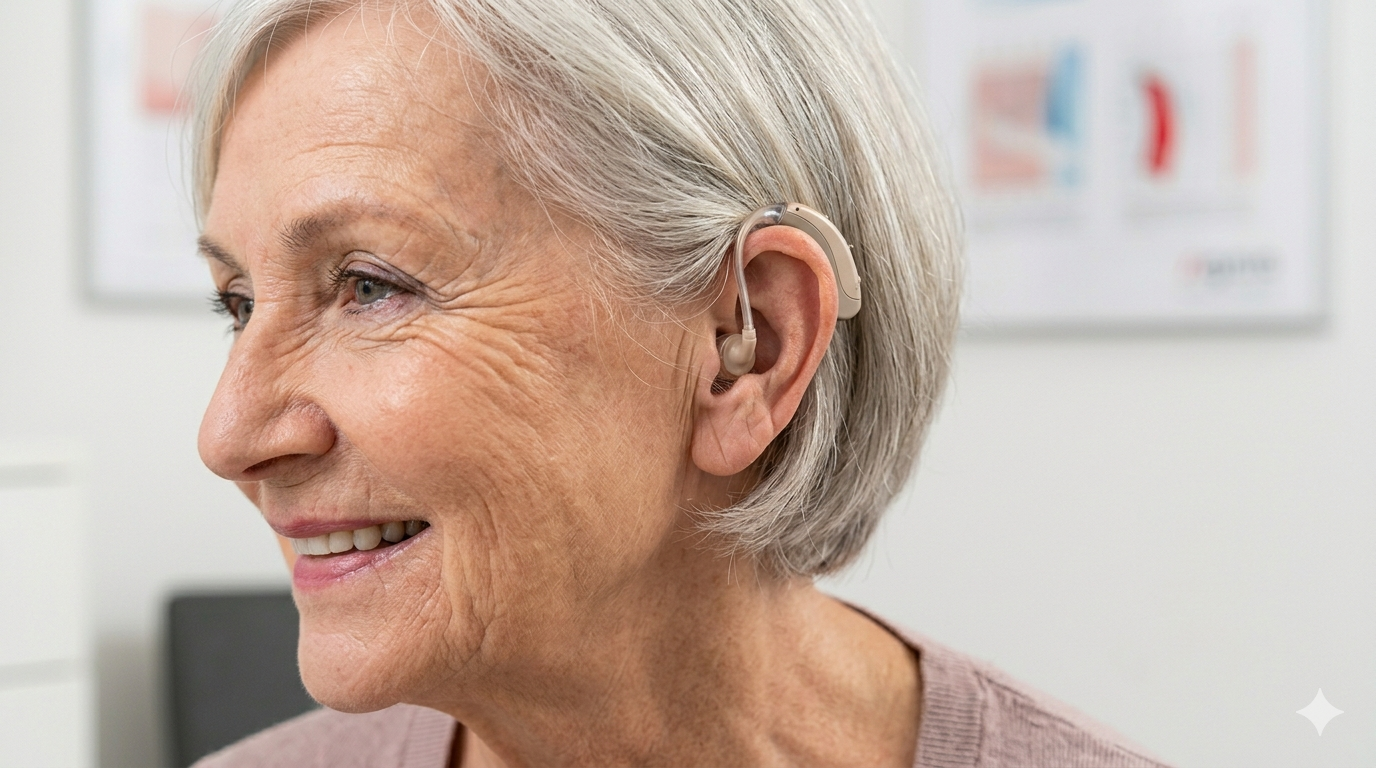
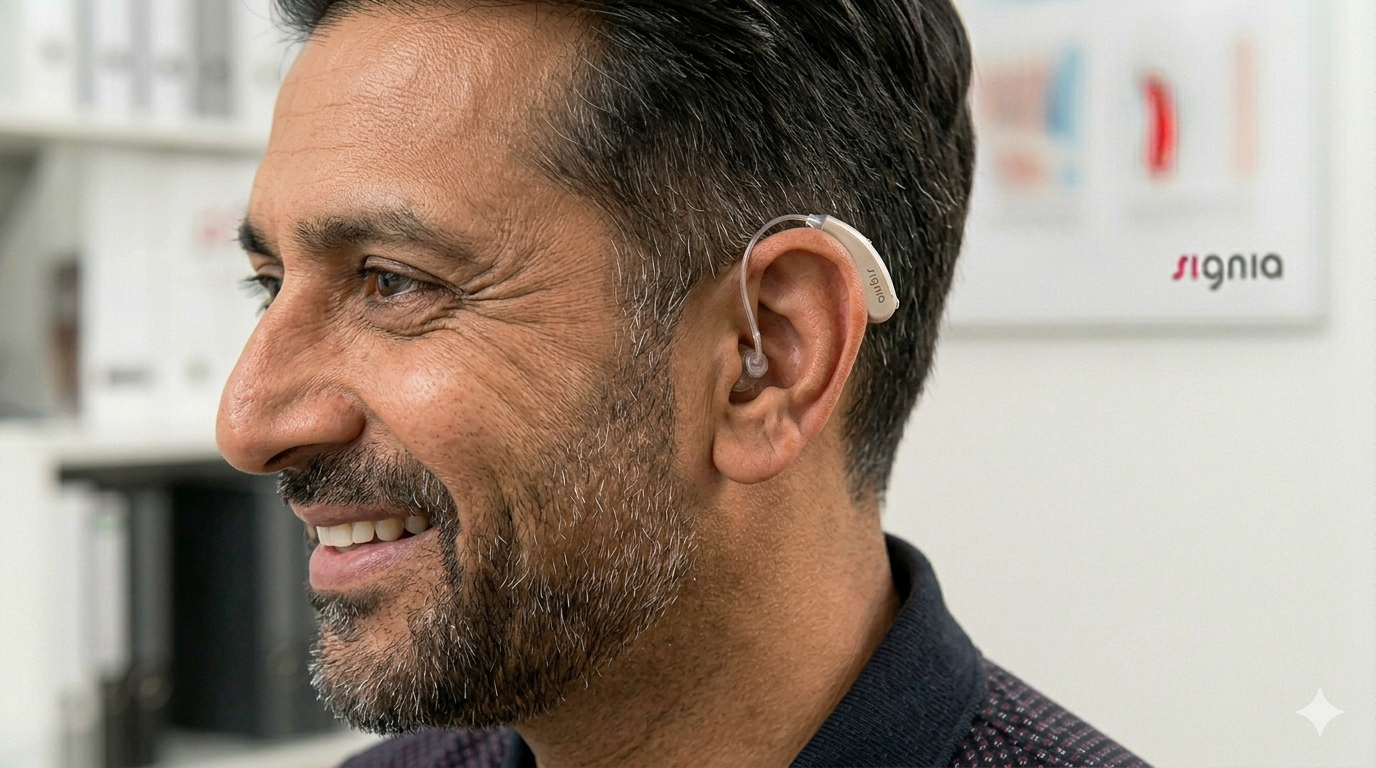
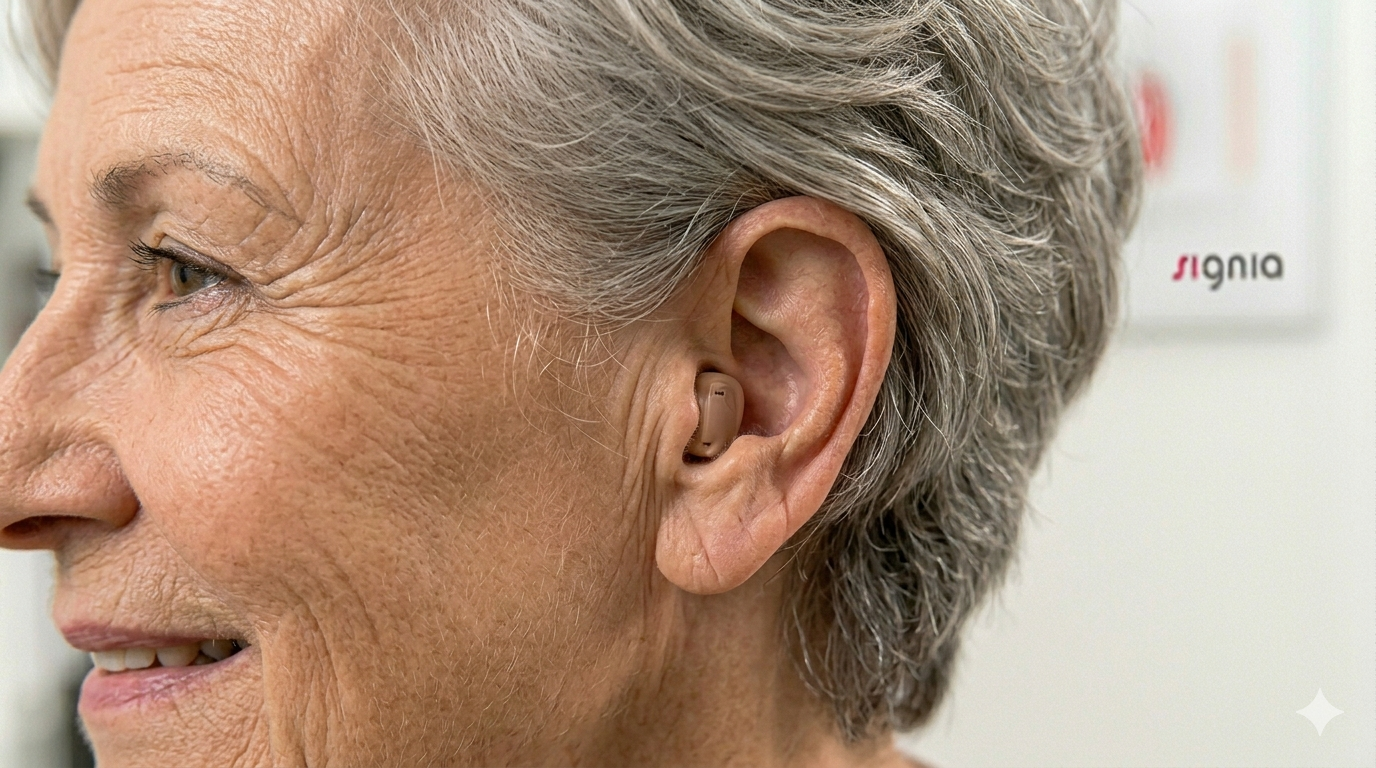
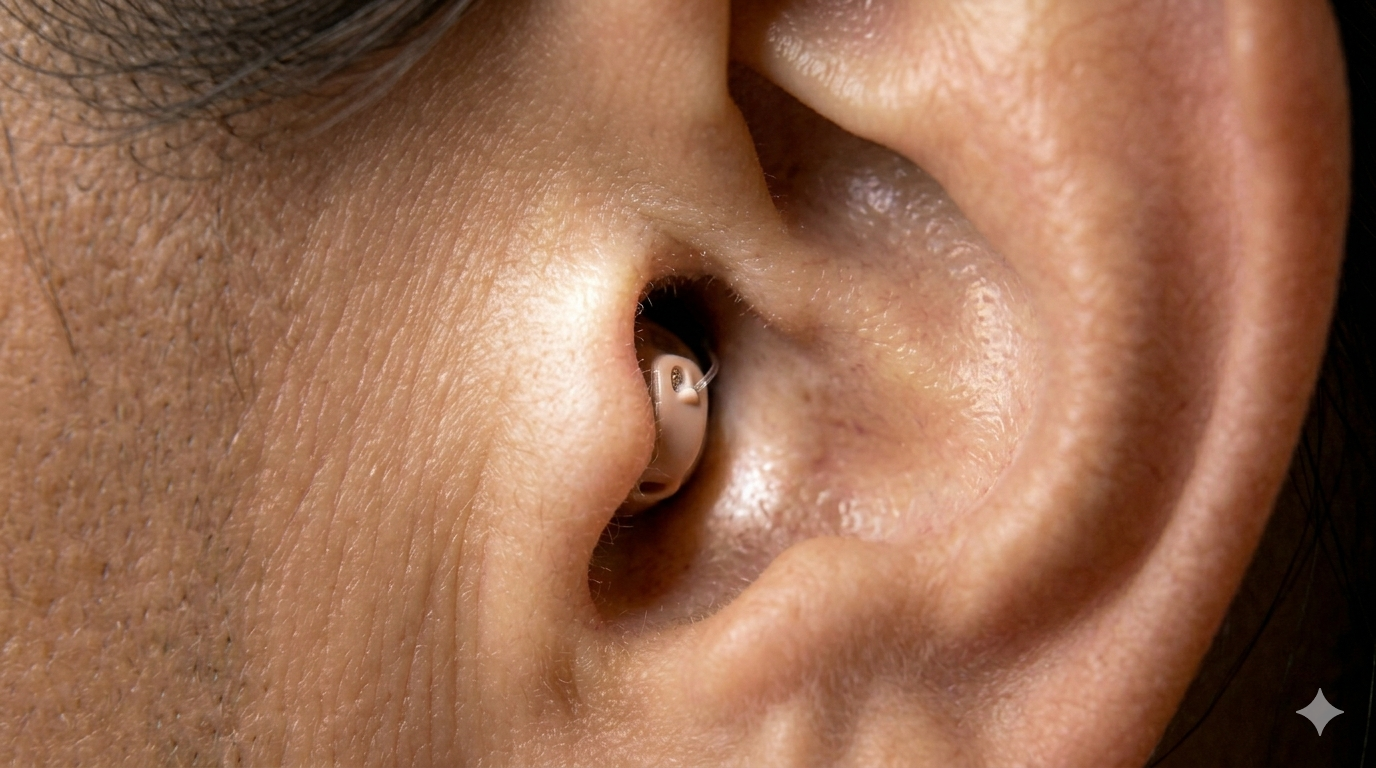
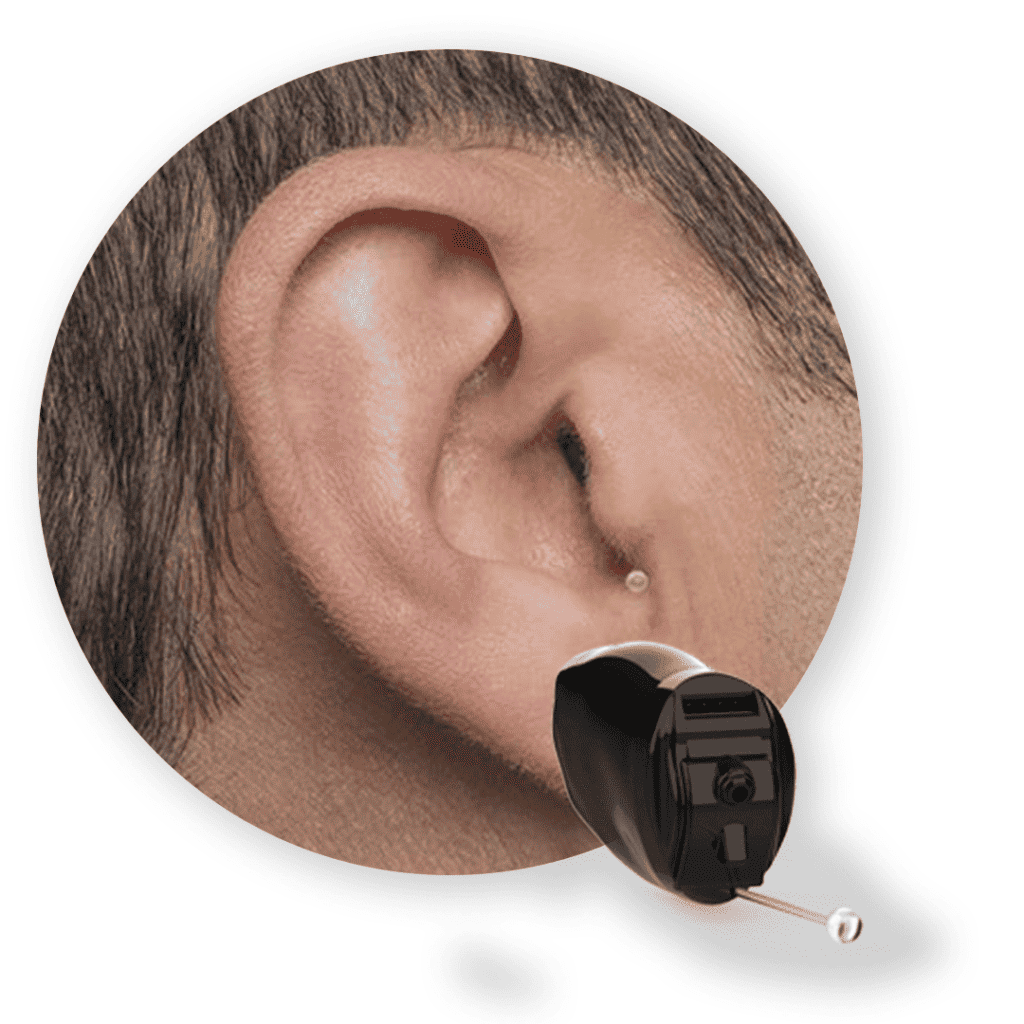
After fitting, small adjustments may be needed as the brain adapts to amplified sound. Follow-up fine tuning helps improve comfort and clarity.
| Concern | How we support |
|---|---|
| Sound feels too loud or too sharp | Fine tuning is done to balance comfort, clarity, and loudness tolerance. |
| Whistling or feedback sound | Fit, ear mould/dome, wax blockage, and feedback settings are checked. |
| Difficulty in noisy places | Noise reduction, directional microphone settings, and listening programs are reviewed. |
| Bluetooth or phone connection issue | Pairing, app setup, streaming settings, and basic usage steps are explained. |
Get professional help to select, try, fit, adjust, and understand the right hearing aid for your hearing needs.